Vertical and Horizontal Scaling

Horizontal vs Vertical Scaling - The Growth Strategy
🎯 Challenge The Pizza Restaurant Dilemma
Scenario: Your pizza restaurant is packed every night. There's a 2-hour wait!
You have two options to handle more customers:
Option A: Hire a superhuman chef who can make pizzas 10x faster (but costs 10x more)
Option B: Hire 10 regular chefs, each working at normal speed
Think about it: Which would you choose and why?
🍕 The Scaling Revelation
This is exactly the difference between Vertical and Horizontal Scaling!
🏢 VERTICAL SCALING (Option A) ═══════════════════════════════════ Make your single server MORE POWERFUL
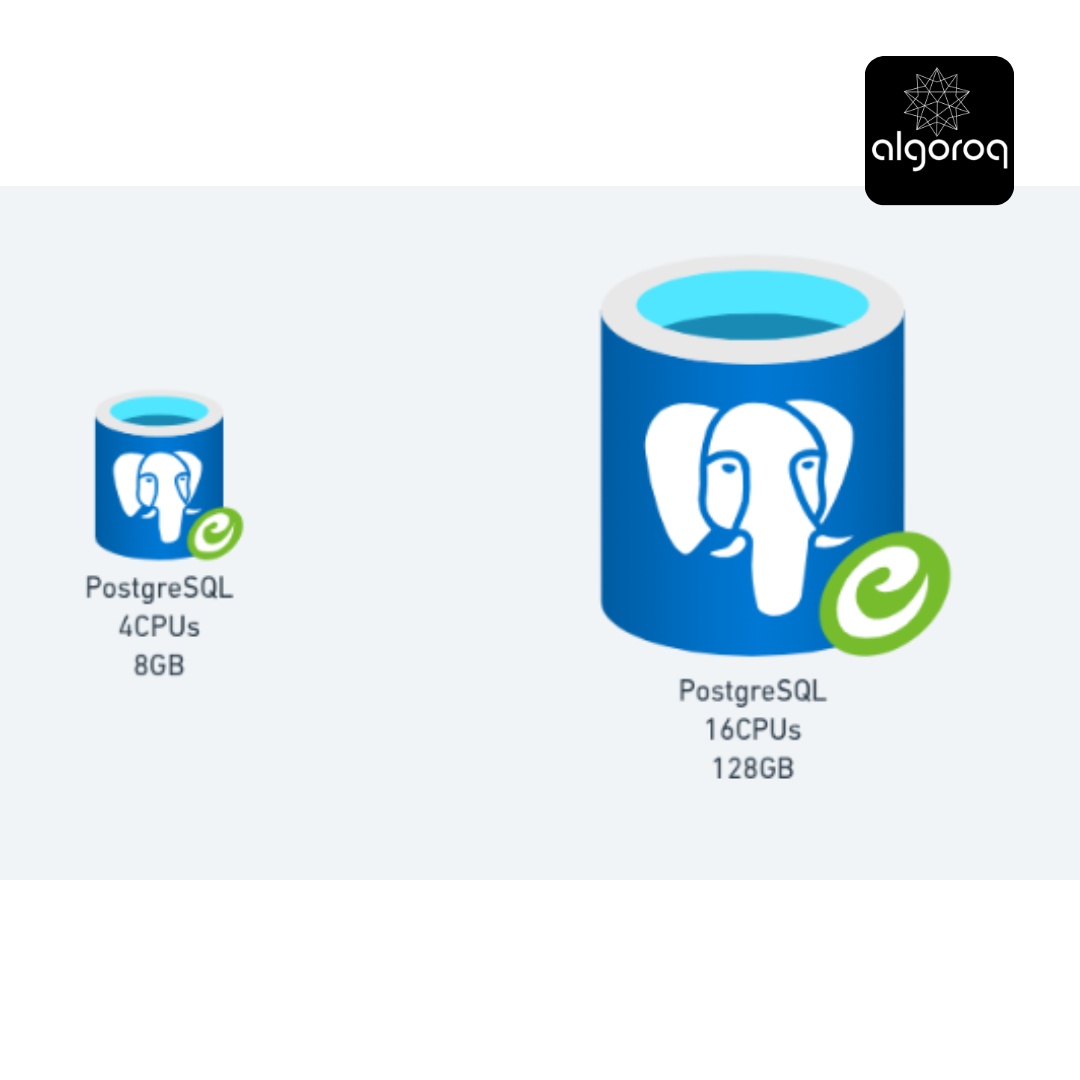
🏗️ HORIZONTAL SCALING (Option B) ═══════════════════════════════════ Add MORE servers (keep each one normal)
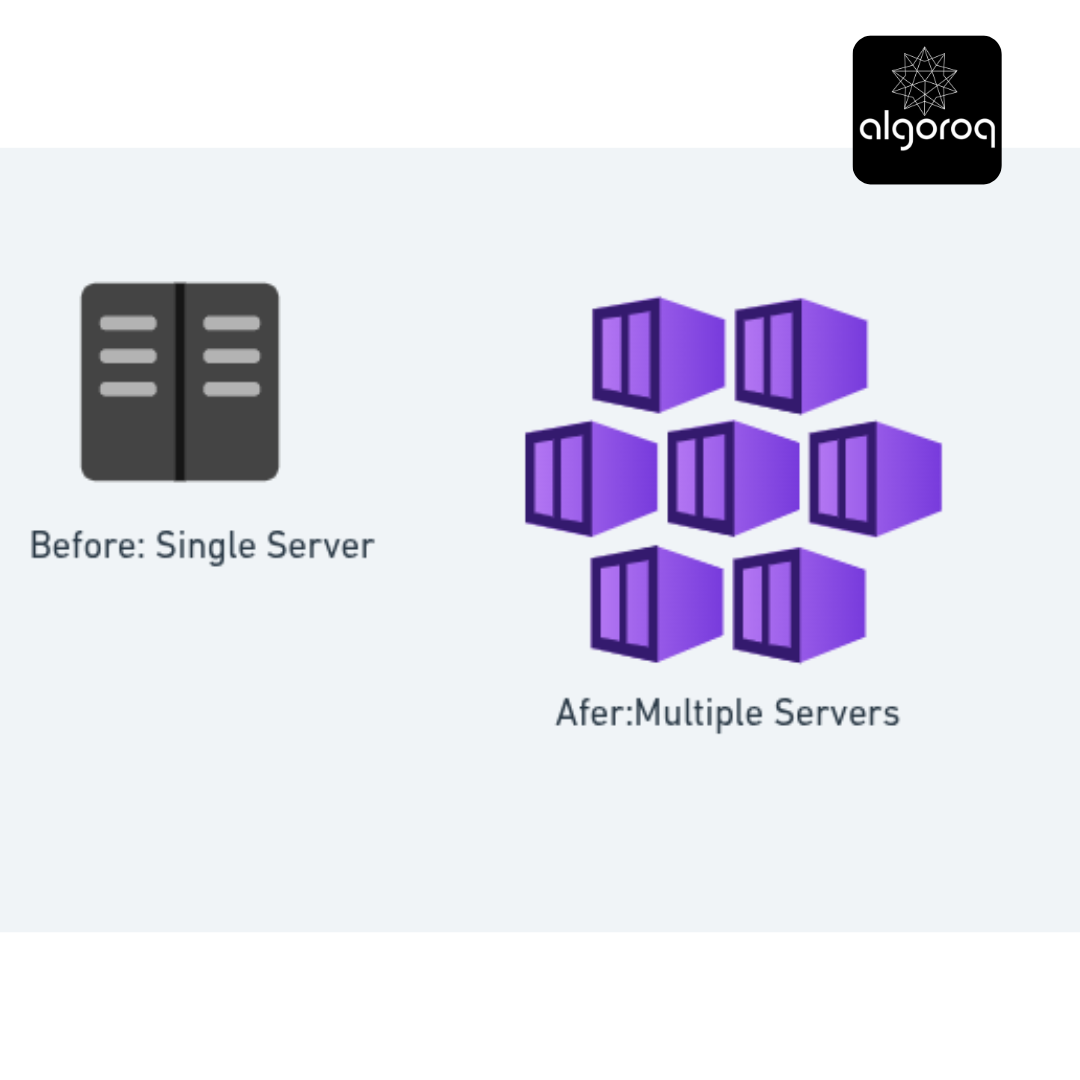
Like: Building a team instead of finding a superhero
🎮 Interactive Comparison: The Office Analogy
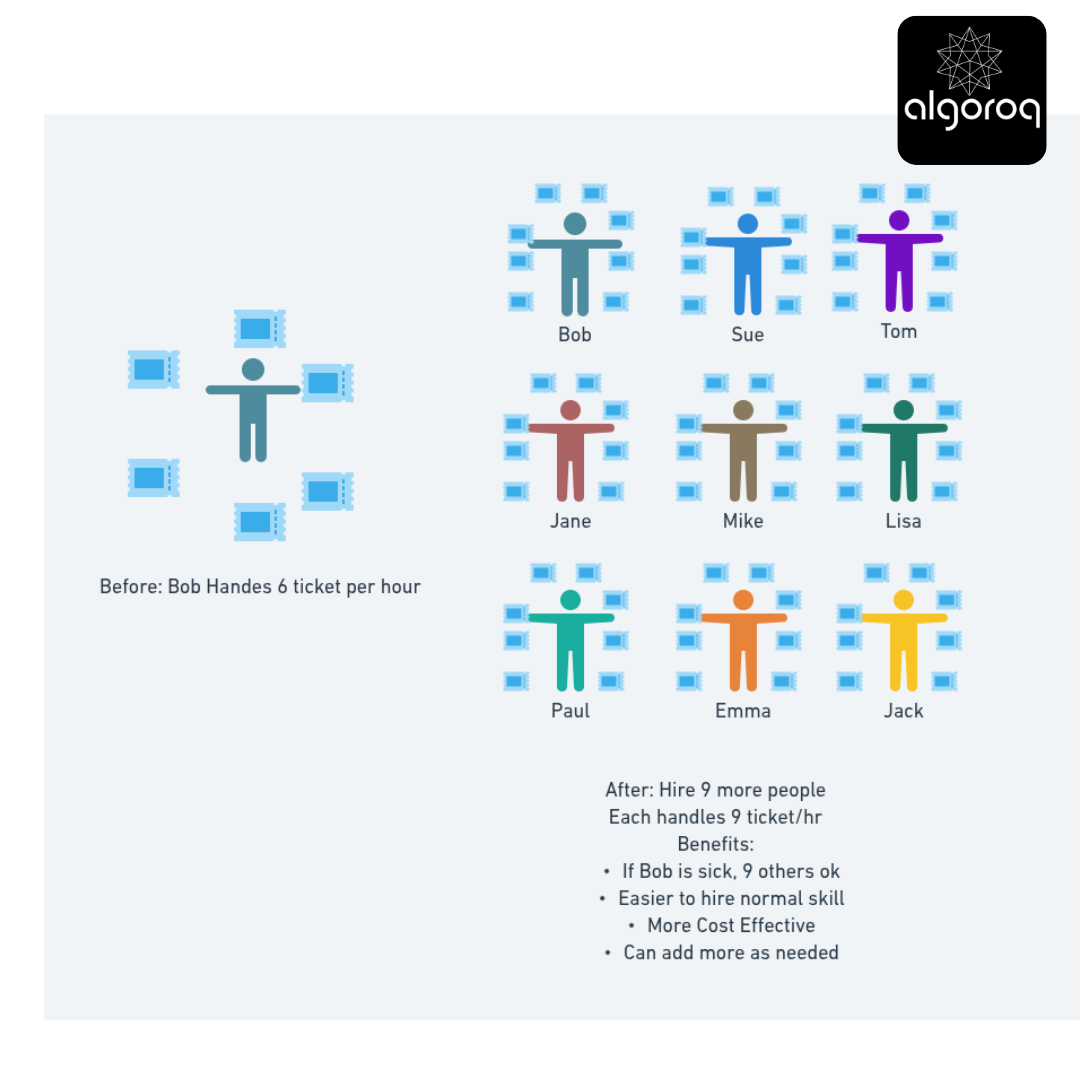
Scenario: Your company needs to handle more customer support tickets.
Vertical Scaling Approach:

Horizontal Scaling Approach:
📊 Real-World Scaling Example: Web Server Overload
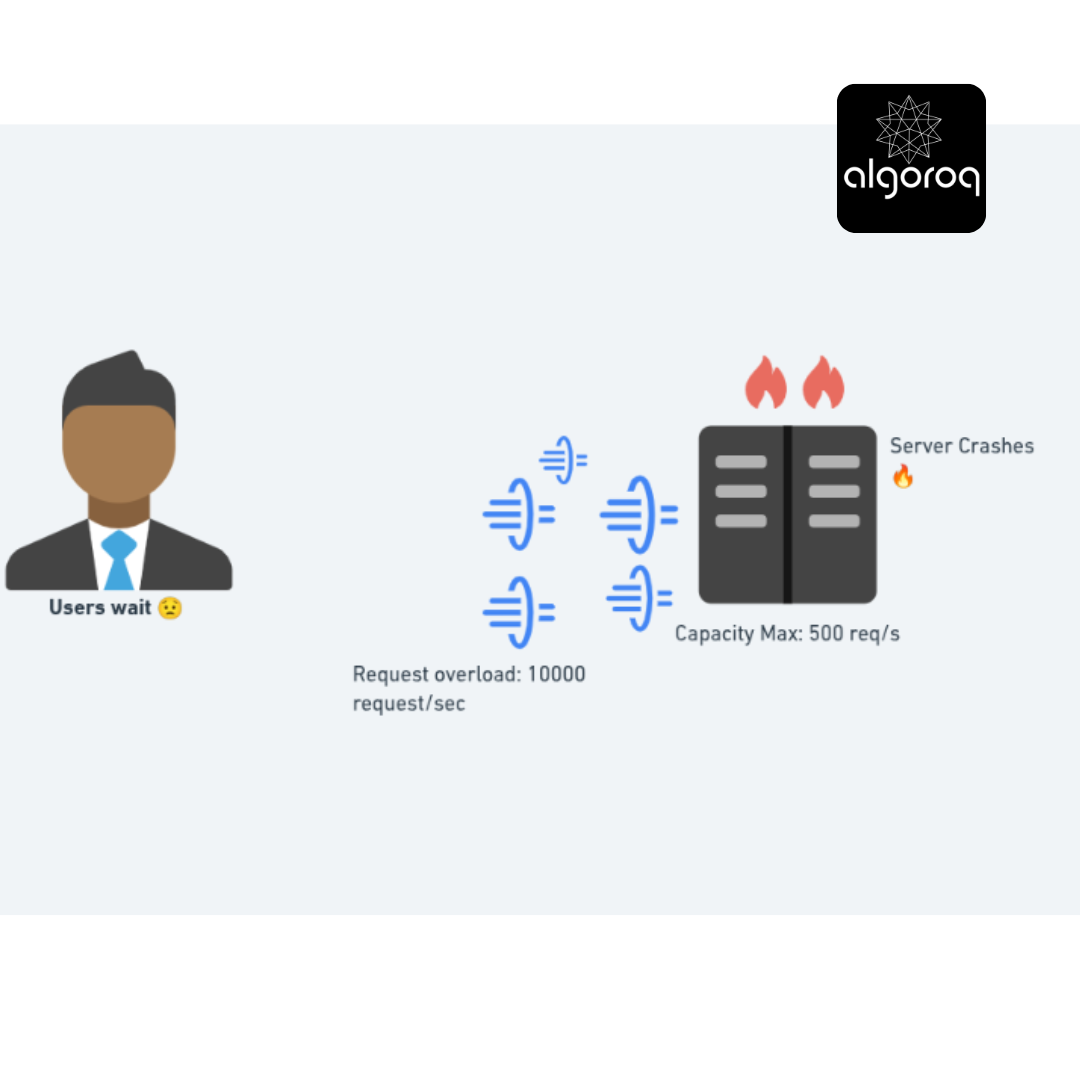
Problem: Your website gets 1,000 requests/second, but your server can only handle 500 req/sec.
Visual representation:
❌ BEFORE (Overloaded):
✅ VERTICAL SCALING SOLUTION:
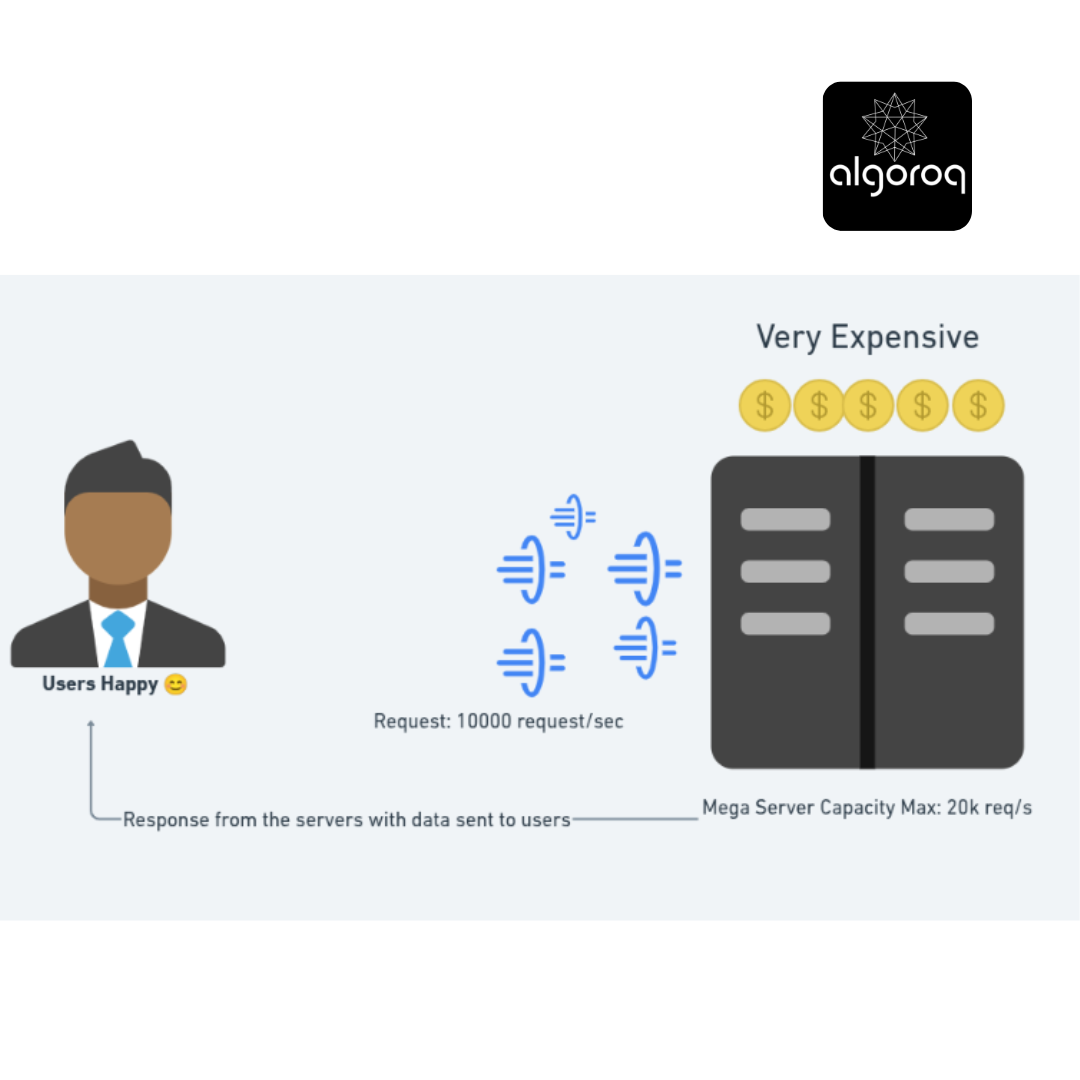
Pros: Simple - just upgrade one server Cons: Expensive, has limits, single point of failure
━━━━━━━━━━━━━━━━━━━━━━━━━━━━━━━━━━━━━━
✅ HORIZONTAL SCALING SOLUTION:
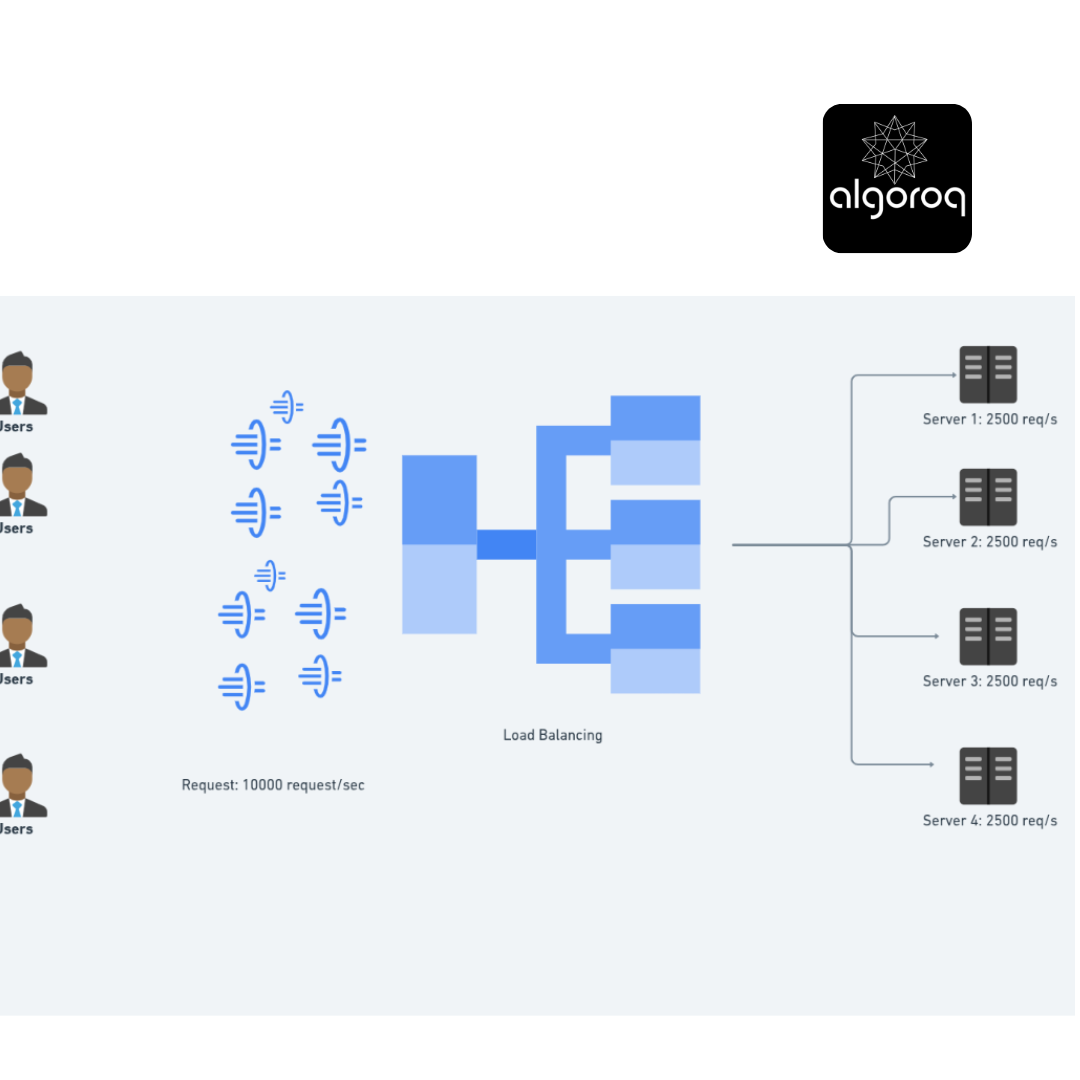
Total capacity: 2000 req/sec! 😊 💰 Cost: 4 cheap servers < 1 mega server Bonus: If one fails, others continue!
Pros: Cost-effective, redundant, unlimited growth Cons: More complex architecture
🚨 Common Misconception: "Vertical Scaling is Always Bad"
You might think: "Horizontal scaling sounds way better. Why would anyone use vertical scaling?"
The Truth: Both have their place!
✅ WHEN TO USE VERTICAL SCALING ════════════════════════════════════
Good for: • Databases (hard to split data across servers) • Applications that need shared memory • Legacy software that can't be distributed • Small to medium traffic • When simplicity matters
Example: Your PostgreSQL database You CAN'T easily split it across 10 servers (complex!) Easier to give it more RAM and CPU
✅ WHEN TO USE HORIZONTAL SCALING ════════════════════════════════════
Good for: • Stateless web servers • Microservices • High traffic applications • When you need redundancy • Unlimited growth potential
Example: Your web application Easy to run same code on 100 servers!
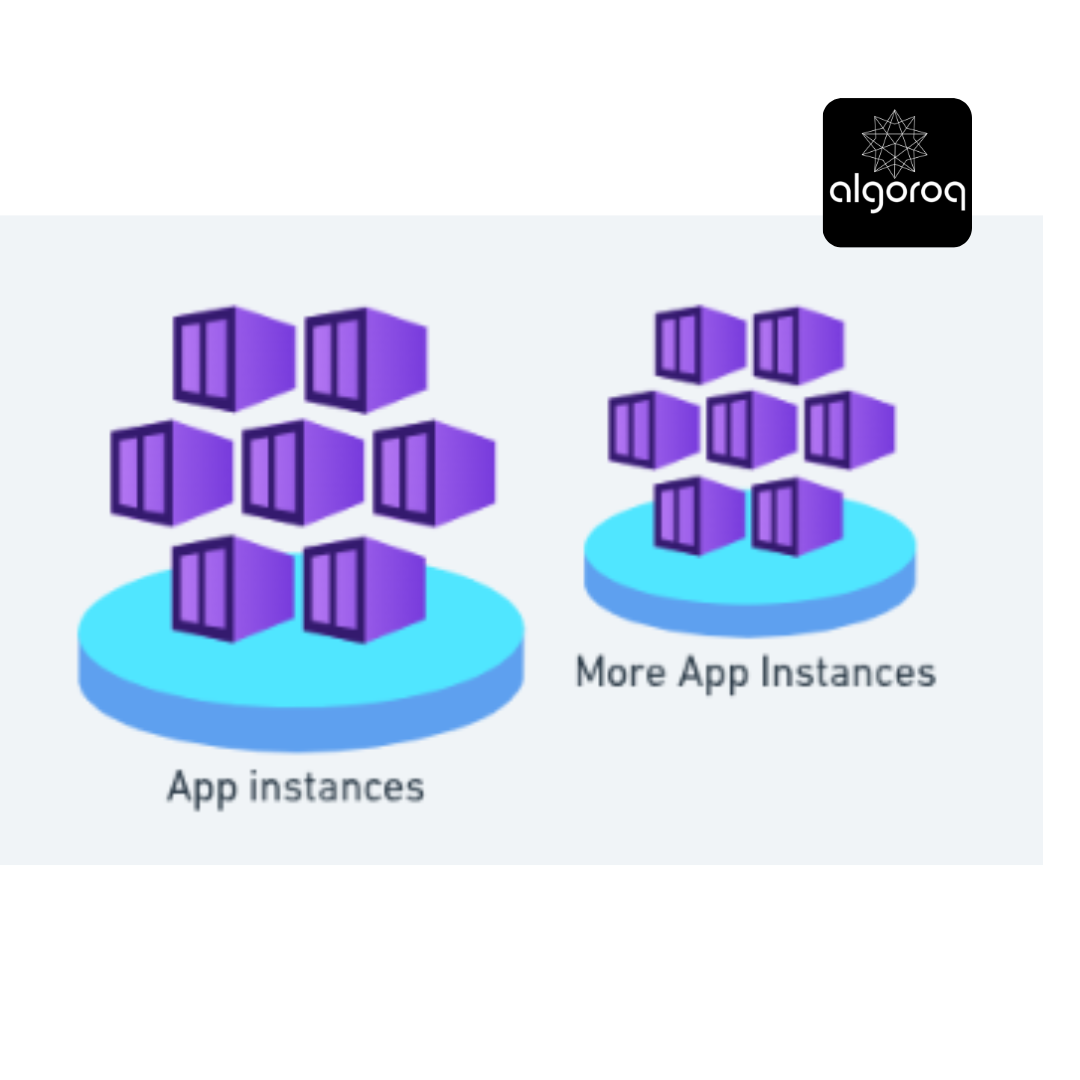
Real-world parallel:
- Vertical: Like buying a bigger house when you need more space
- Horizontal: Like building an apartment complex with many units
🎯 Decision Game: Scale Up or Scale Out?
For each scenario, choose Vertical or Horizontal scaling:
Scenario A: Netflix streaming servers serving video to millions Scenario B: Main MySQL database storing user accounts Scenario C: Image processing API that resizes photos Scenario D: Redis cache for session storage Scenario E: E-commerce website frontend
Think about each one...
ANSWERS:
Scenario A: HORIZONTAL ✓ Why: Stateless video servers, millions of users Solution: 1000s of servers in data centers worldwide
Scenario B: VERTICAL ✓ Why: Database needs consistency, complex to split Solution: Upgrade to high-memory server
Scenario C: HORIZONTAL ✓ Why: Each image processed independently Solution: 50 servers processing in parallel
Scenario D: BOTH! Why: Vertical to start, then horizontal with clustering Solution: Upgrade RAM first, then add cache nodes
Scenario E: HORIZONTAL ✓ Why: Stateless web servers, easy to duplicate Solution: 20+ identical web servers behind load balancer
📈 The Scaling Progression: How Real Companies Grow
Watch a typical startup's scaling journey:
👶 STAGE 1: TINY STARTUP (0-1K users) ═════════════════════════════════════
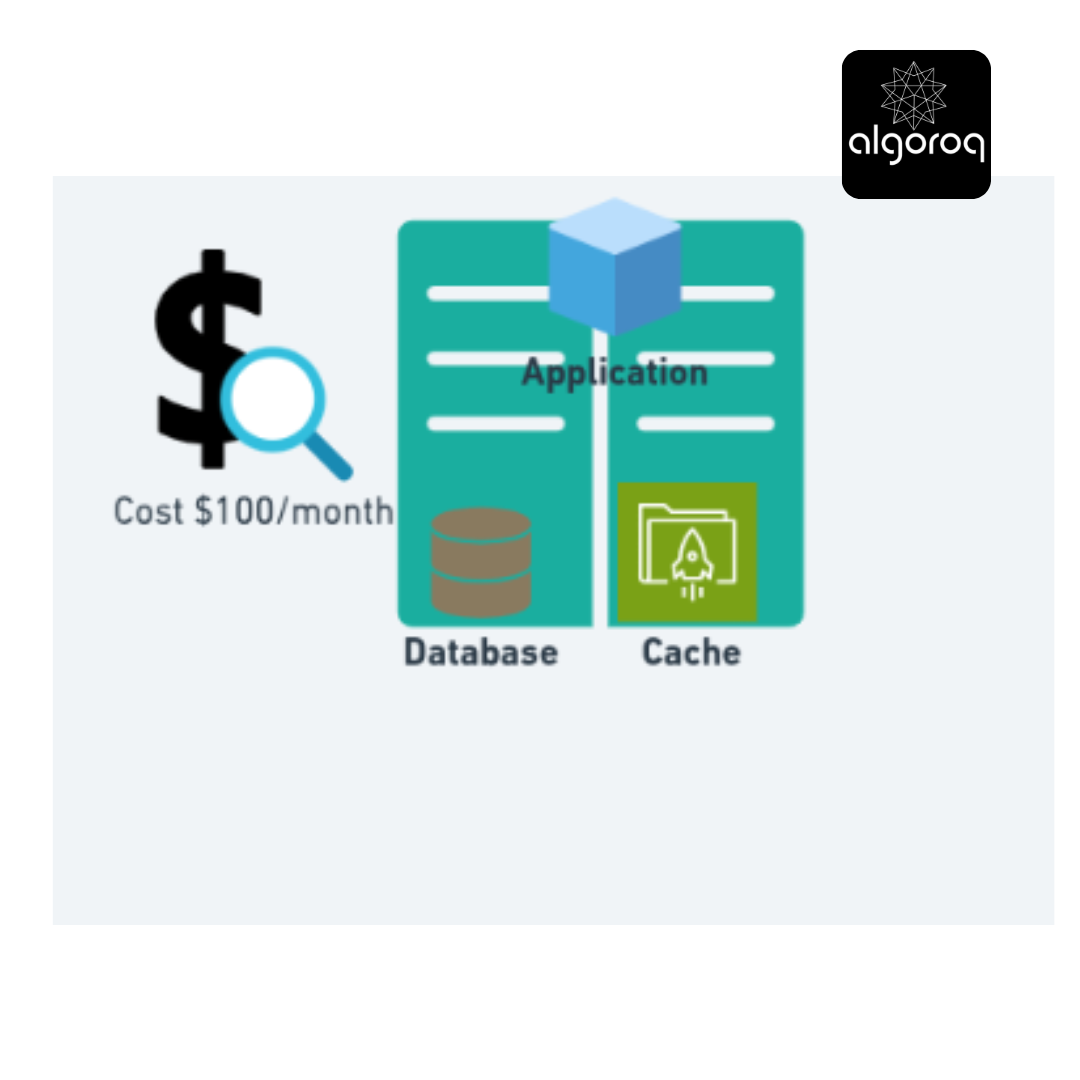
Strategy: Nothing! One server is fine.
━━━━━━━━━━━━━━━━━━━━━━━━━━━━━━━━━━━━
📈 STAGE 2: GROWING (1K-10K users)
═════════════════════════════════════
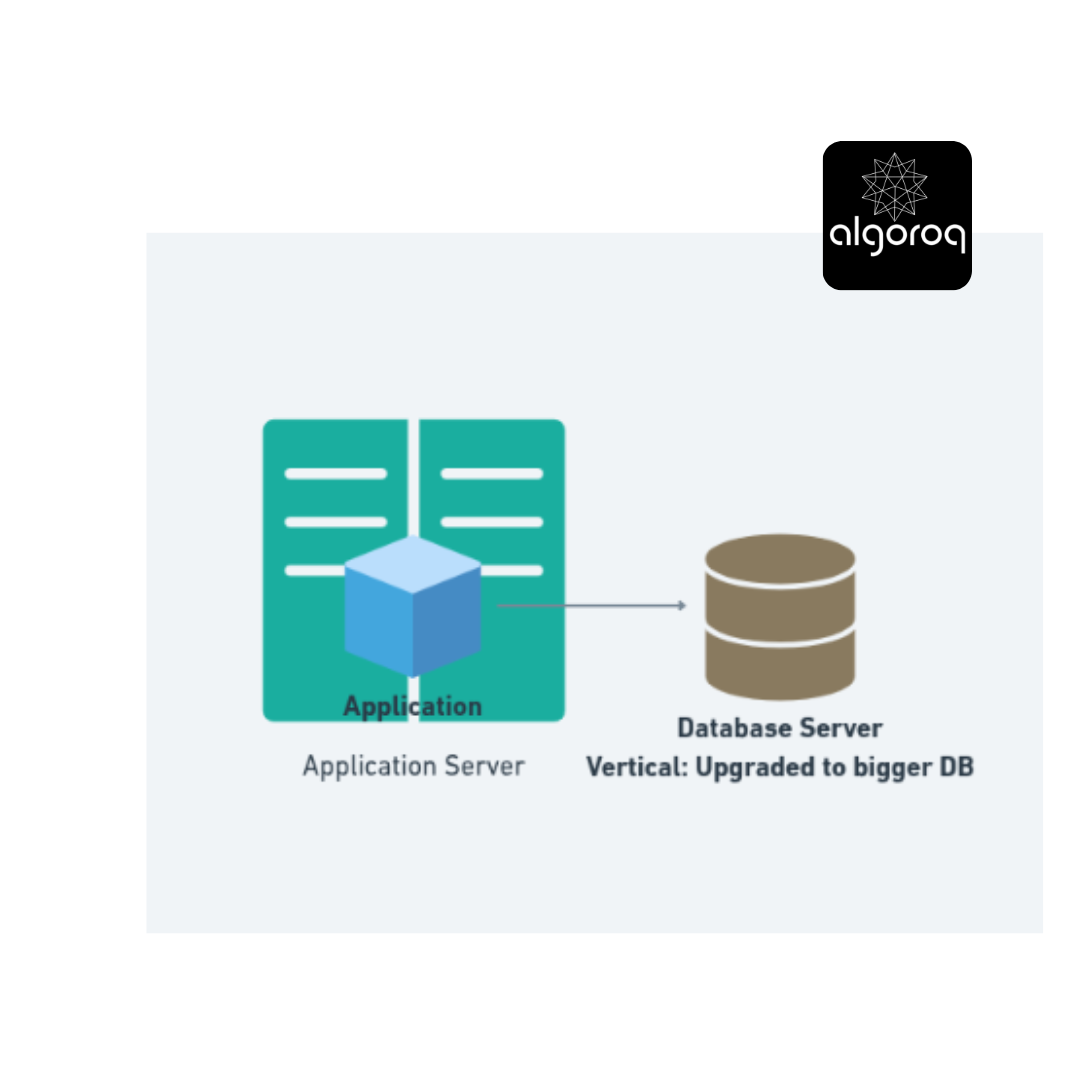
Strategy: VERTICAL scaling of database
Cost: $500/month
━━━━━━━━━━━━━━━━━━━━━━━━━━━━━━━━━━━━
🚀 STAGE 3: POPULAR (10K-100K users)
═════════════════════════════════════
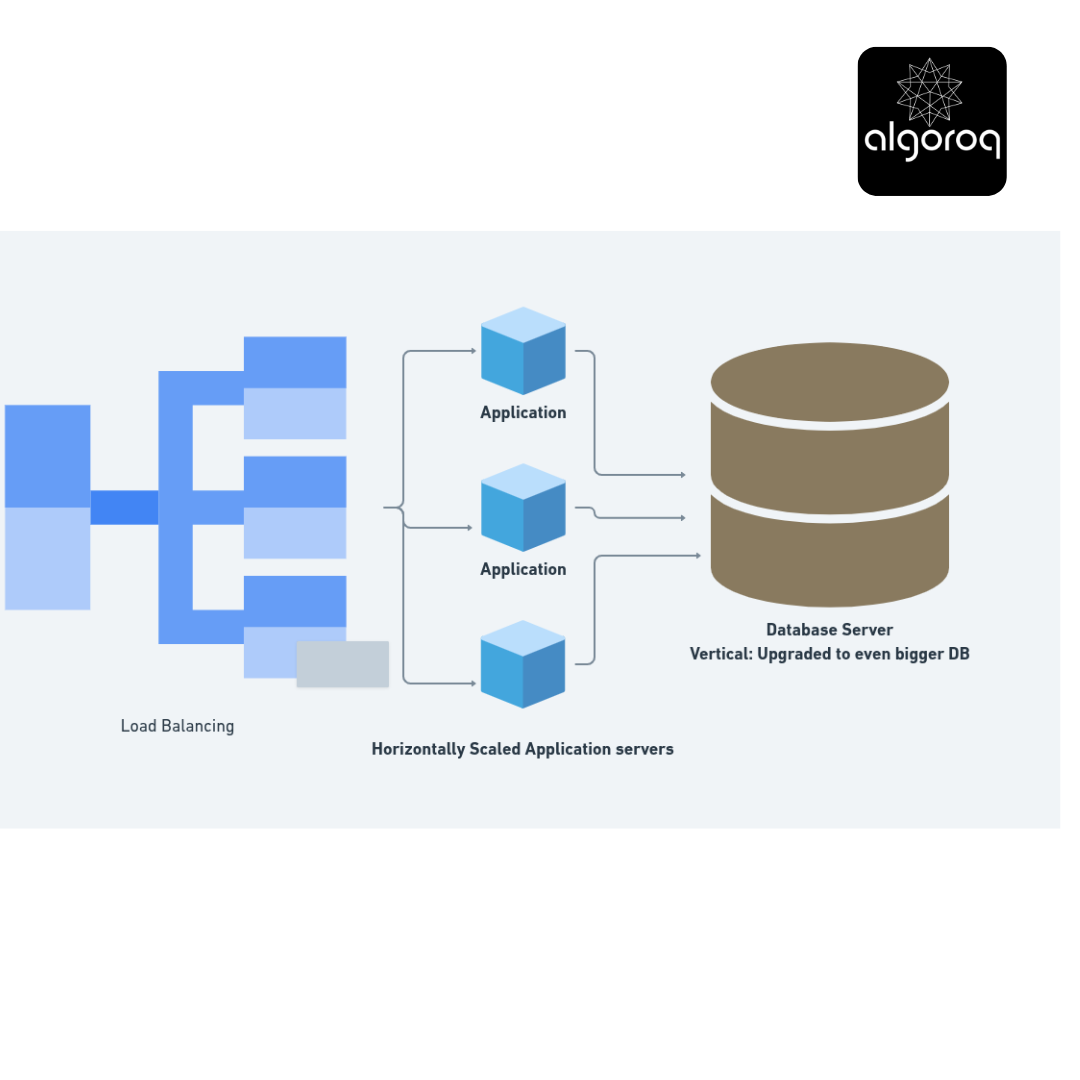
Strategy: HORIZONTAL apps + VERTICAL database
Cost: $5,000/month
━━━━━━━━━━━━━━━━━━━━━━━━━━━━━━━━━━━━
🌟 STAGE 4: MASSIVE (100K+ users)
═════════════════════════════════════
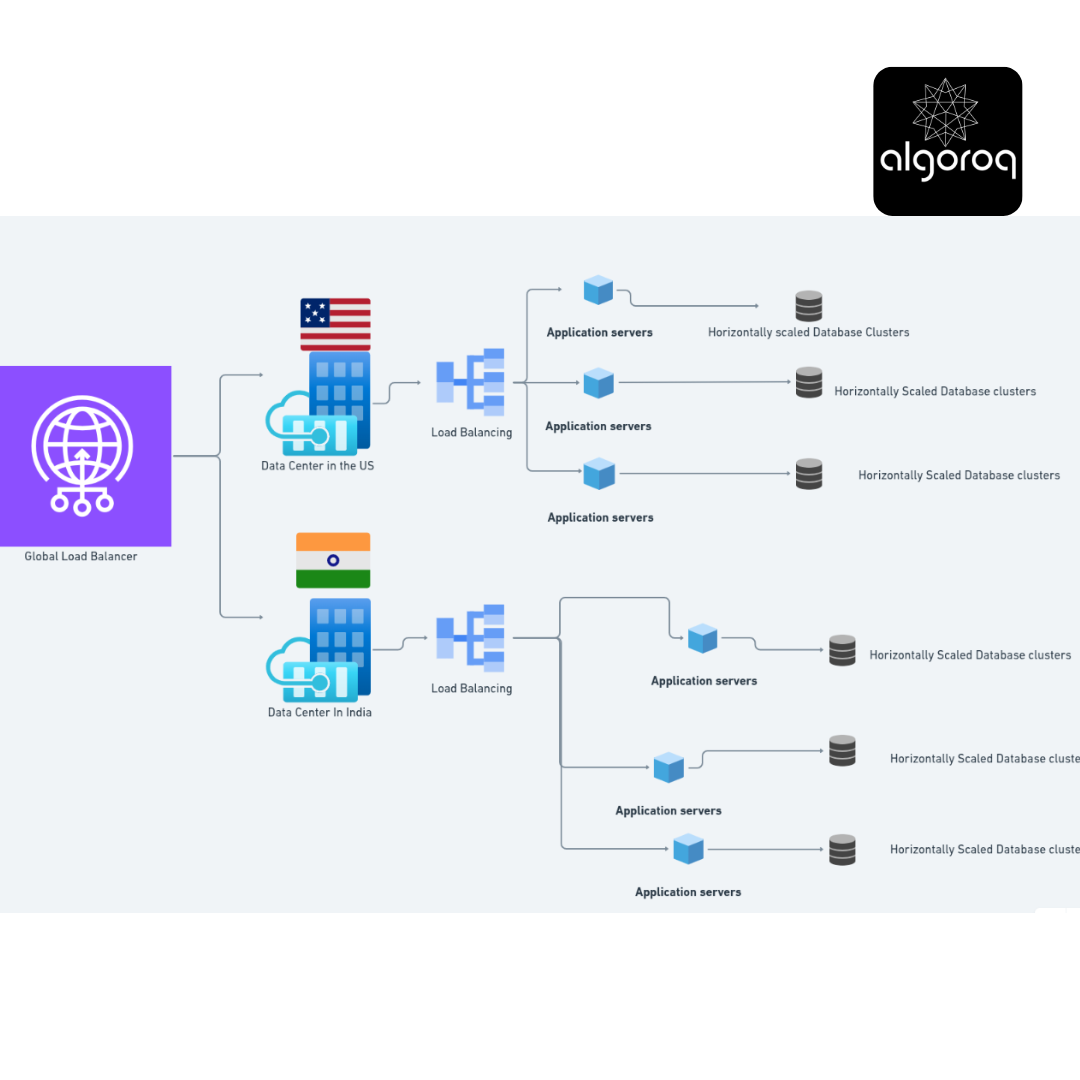
Strategy: BOTH everywhere!
Cost: $50,000/month
Companies: Netflix, Facebook, Twitter at this stage
💰 Cost Comparison: The Reality Check
Example: Handling 10,000 requests/second
💸 VERTICAL SCALING COSTS
═════════════════════════════════
Single mega-server:
• 64 CPUs
• 512 GB RAM
• 10 TB SSD
Cloud cost: $5,000/month
Problems:
❌ Single point of failure
❌ Expensive
❌ Can't grow beyond physical limits
❌ Maintenance downtime affects everyone
━━━━━━━━━━━━━━━━━━━━━━━━━━━━━━━━━━
💸 HORIZONTAL SCALING COSTS
═════════════════════════════════
10 medium servers:
• 8 CPUs each
• 64 GB RAM each
• 1 TB SSD each
Cloud cost: $3,000/month (cheaper!)
Benefits:
✅ One fails? 9 others continue
✅ Cost effective
✅ Can add more easily
✅ Update one at a time (no downtime)
Winner: Horizontal! 🎉
🎪 The Ultimate Comparison Table
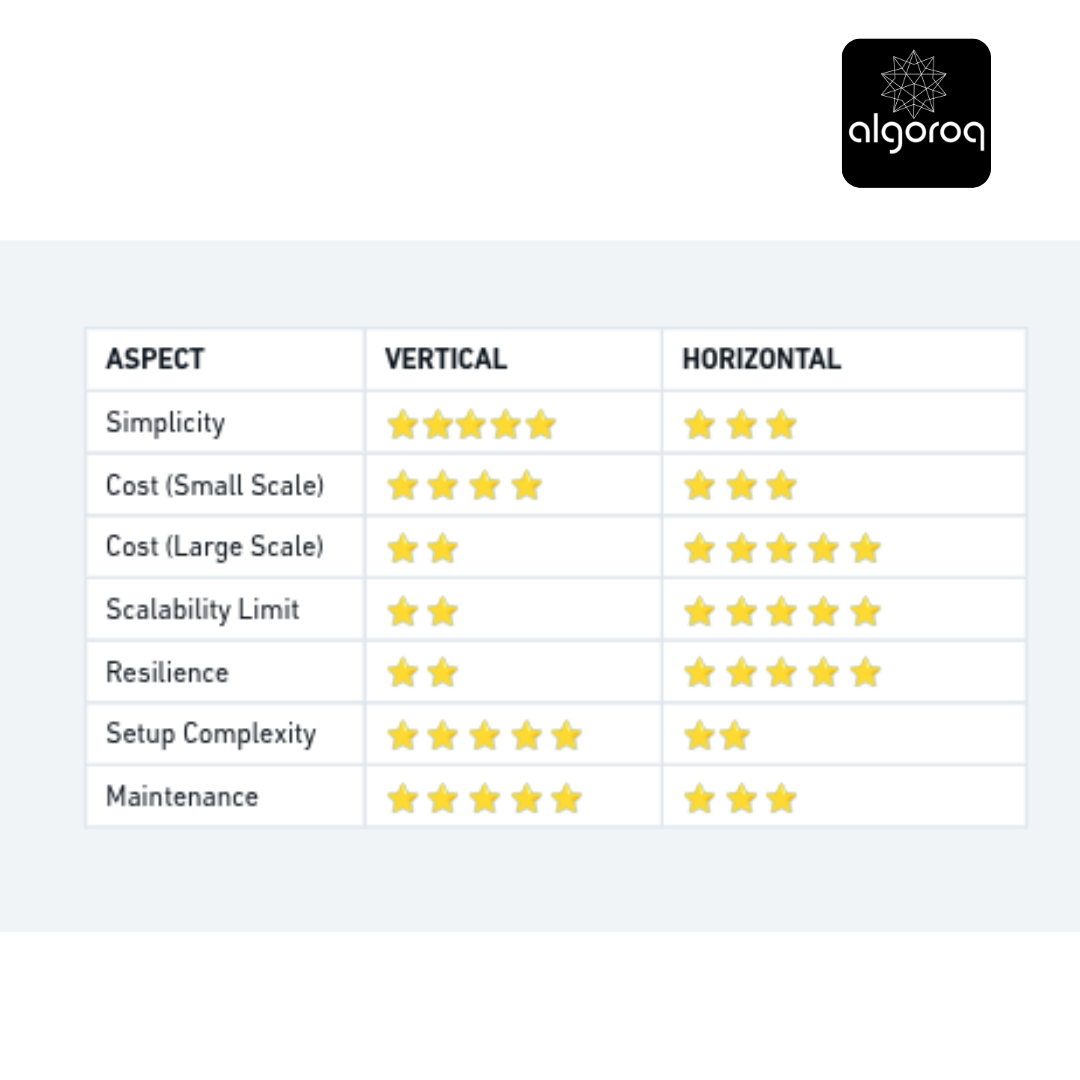
Key Insight: Start vertical, grow horizontal!
🔑 The Hybrid Approach: Best of Both Worlds
Real-world wisdom: Most large systems use BOTH!
Modern Architecture:
═══════════════════
Strategy:
• Scale web/app servers horizontally (easy!)
• Scale database vertically first (simpler)
• Add database read replicas horizontally later
• Use caching layer (horizontal) to reduce DB load
Key Takeaways
- Vertical scaling (scale up) means adding more resources to a single machine — simpler but has a hardware ceiling
- Horizontal scaling (scale out) means adding more machines — more complex but virtually unlimited capacity
- Stateless services are easy to scale horizontally — move session state to an external store (Redis, database)
- Most production systems use both — scale up first for simplicity, scale out when you hit the ceiling
- Auto-scaling adjusts capacity based on demand — use metrics like CPU, memory, or request queue depth as triggers
Log in to keep reading
Create a free account to keep reading and track your progress.
Log in — it's free